HEMS Aviation Under Threat: How Laser and Drone Misuse Risks Lives in Wiltshire and Bath
Tuesday, 03 February 2026

At Wiltshire and Bath Air Ambulance, every mission we fly represents someone’s worst day. As a charity providing vital critical medical care by land and air across Wiltshire and Bath, our helicopter and critical care team bring hospital-level treatment directly to people in need as fast as humanly possible.
Our critical care paramedics and doctors are highly trained in critical care and deliver leading edge care in extreme, often life-threatening situations.
But our ability to reach patients quickly and safely is increasingly being put at risk. In the past two years we have seen a worrying rise in laser strikes and unauthorised drone activity targeting emergency medical helicopters. These reckless acts pose a direct threat to our crew, our operations and ultimately to the patients who rely on us.
Laser Strikes: A Growing and Dangerous Trend
Laser incidents affecting aircraft remain a serious concern. In 2024, the UK Civil Aviation Authority received over 950 laser reports from pilots operating both fixed-wing and rotary aircraft.
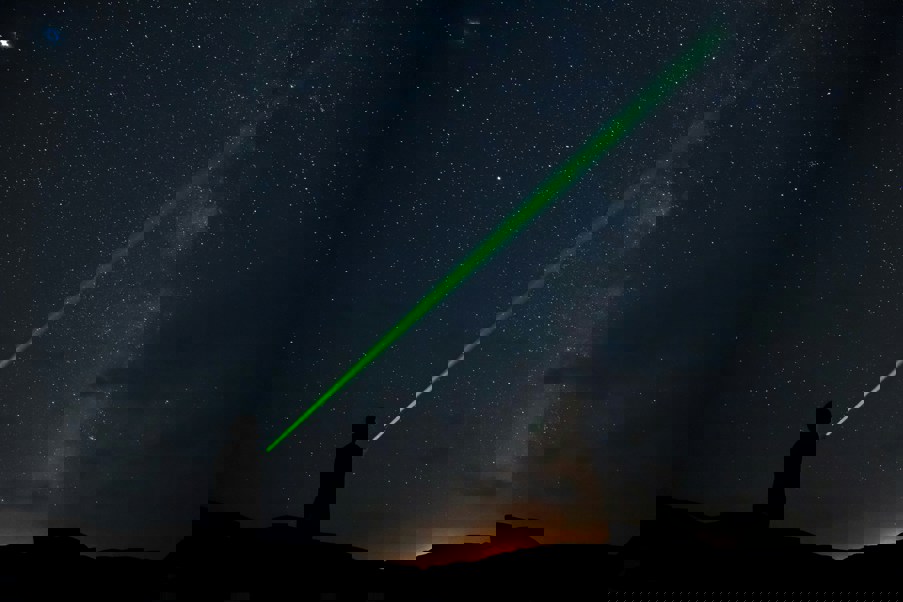
Our own aircraft has not been immune. Towards the end of 2023, our helicopter was deliberately targeted twice with a high-intensity green laser while returning to base.
Laser illumination can cause flash blindness, is a dangerous distraction during critical flight phases and can even cause long-term eye damage. For single-pilot HEMS operations like ours, where precision is vital, any loss of visual capability can instantly compromise flight safety.
Our internal reporting shows a consistent pattern. For two consecutive years, January and August have shown peaks in laser interference, suggesting a seasonal or behavioural trend that needs targeted awareness and engagement with our communities.
Drones: A Collision Hazard That Can Halt Lifesaving Missions
Drone misuse is also increasing. The CAA recorded multiple incidents where drones were flown dangerously close to emergency helicopters, including several directly affecting our operations here in Wiltshire and Bath.
Even when not malicious, drones near emergency scenes can force us to alter flightpaths or delay landings to maintain safe separation. For a patient needing urgent critical care, even a small delay can make a big difference.
Why This Behaviour Is So Dangerous
We operate in challenging, time sensitive and unpredictable environments. We fly low, often at night, landing in confined rural or urban locations.
Both laser and drone interference create serious risks:
-
Laser strikes can blind or disorientate a pilot at critical moments.
-
Drones pose a real collision hazard that can lead to catastrophic mechanical damage.
Any interference can delay or even abort a mission. When our crews are responding to someone’s worst day, these delays can directly affect outcomes.
The Law Is Clear
Shining a laser at an aircraft is a criminal offence under the Laser Misuse (Vehicles) Act 2018, carrying an unlimited fine and up to five years in prison. Drone operators must also comply with strict aviation regulations, and irresponsible drone use near aircraft or emergency scenes can result in prosecution.
The police urge the public to report unsafe behaviour immediately by calling 101.
How You Can Help Protect Our Crew and Patients
Many incidents happen because people are unaware of the risks. Lasers and drones are widely available, and their dangers are often misunderstood. But:
-
A laser beam can travel miles and affect aircraft far from its source.
-
A drone flown beyond visual line of sight or near an active flightpath can cause a serious aviation incident.
By staying informed, flying responsibly and reporting unsafe behaviour, our community can help protect our pilots, our clinicians and our patients.
As a charity, Wiltshire and Bath Air Ambulance relies entirely on voluntary donations from our local communities. Your support helps us be there when we’re needed most.