Ansko's Story

Ansko, an internationally recognised stuntwoman for film and television, was riding a motorbike on Salisbury Plain in July 2024 when she was hit by another vehicle.
“What I remember is the headlights of the vehicle on my right-hand side, but it was so close, almost touchable. That's the very last thing I remember. I had a huge pain in my chest, and it was getting harder and harder to breathe.”
The call was received by Wiltshire and Bath Air Ambulance Charity pilot Simon, doctor Rosie, and specialist critical care paramedic, Matt. Due to the remote location, the Wiltshire and Bath Air Ambulance helicopter and crew were first to the scene, locating Ansko’s exact position due the What3Words provided during the 999 call.
Within 11 minutes of take off, the crew were at Ansko’s side to deliver enhanced critical care to stabilise her condition, deliver medication and support her leg to prevent further damage. The crew then transferred Ansko by air to Southmead Hospital in just 15 minutes, handing over care to the emergency team. Three minutes later, she was in a full body scan to examine the extent of her injuries.
Ansko’s memories from hospital were blurry from medication and her head injury, but she explained, “I remember a very vivid male voice who said that you will survive. It was somebody who clearly was professional and who, in the right moment when I was in a responsive state, had said that.
“After that, even as I was in and out of the surgeries, I knew that I didn't need to worry, that it'll all be okay. That was really, really important for me.”
A few weeks later, Ansko started to remember more about the incident…
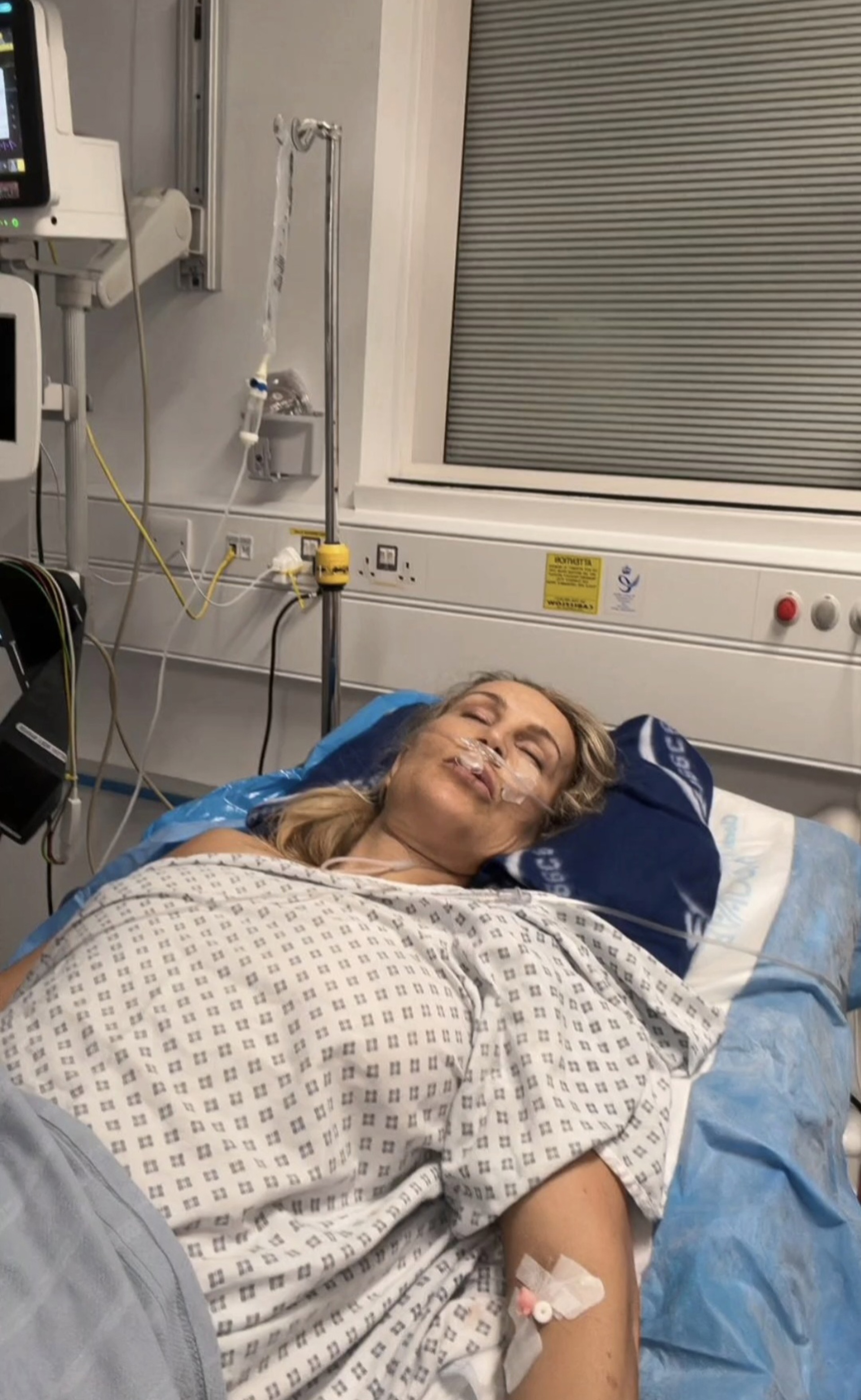
“Both of my legs were strapped up, so I didn't quite understand what had happened. I thought I had broken both of them, and I was worried that one of the legs would need to get amputated, if I'll ever be able to walk again or if I’ll be in a wheelchair.
“Everything was hurting. Every single breath I was taking was hurting. And then I realised that I'd broken five ribs and had some organ damage, that probably explained why every breath was so horrendously painful. No position was comfortable because of my chest. I then figured out that I had broken both my arms, as well as my elbow and shoulder. What was very puzzling for me is that nothing really made sense. I couldn't put one and two together.”
Ansko required many weeks of treatment with lots of physio and rehab exercises to regain her mobility and independence. With her memory challenges, Ansko reached out to the Wiltshire and Bath Air Ambulance Charity’s aftercare service where she was put in touch with specialist critical care paramedic and aftercare manager, Louise Cox.
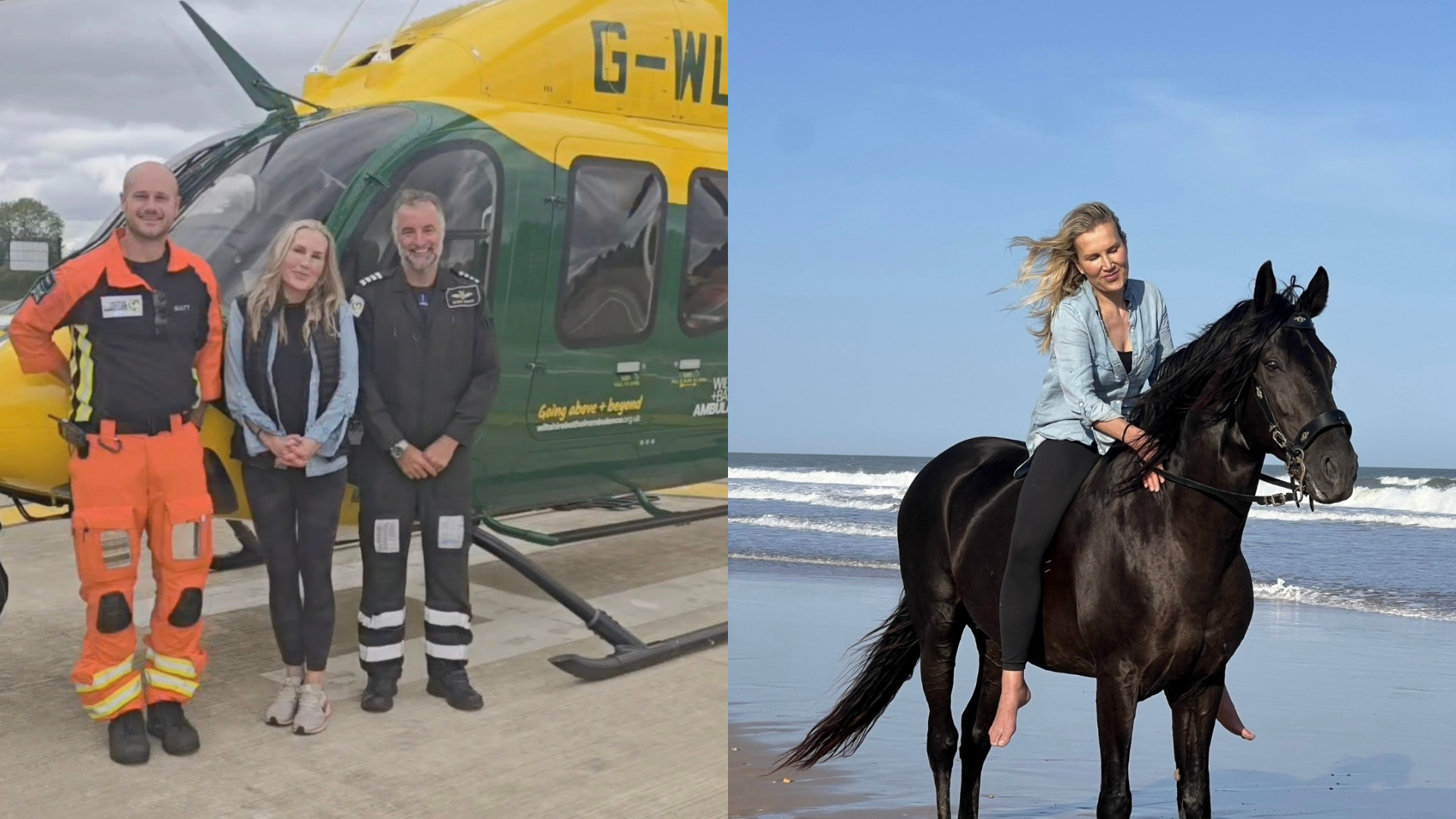
Louise was able to reunite Ansko with the doctor who provided the urgent treatment she needed on Salisbury Plain, doctor Rosie. She’s also since been back to meet pilot Simon and specialist critical care paramedic, Matt.
“I was very nervous coming to the airbase. But it was very important. It felt like it was a big puzzle piece that was missing.
“Obviously, I remember when I was riding the bike and then the next moment, I'm in hospital and there was a big gap. To be able to come to the airbase and first of all, to personally say thank you for people who attended on the day, that was very special.
“But then hear what had happened and how only three people can do so much so quickly, it was very important for me in many ways. I remember when I left, it was such a surreal feeling in terms of how grateful I am to be here. And I understand not everybody is that lucky.
“To be airlifted by people who don't even know who I am, don't know where I'm from, don't know my name, don't know what nationality I have, and from the goodness of their heart to come and rescue and take the best care and airlift me to the hospital, it's still unreal for me.”
“For me, it’s all just magic. It literally feels like these angels from the sky. Whenever the crew receive the phone call, they know exactly who’s going to get on and exactly what’s coming with you. Everything is so well planned, so the crew can get to the person who needs them most in the quickest possible time and be able to give the best possible response.”
Specialist critical care paramedic and aftercare manager, Louise, explained, “We don't often know quite what happens to the patients once we transfer their care to the hospital. So, it was also really valuable to the crew, being able to find out their care had such a positive outcome for Ansko. It was also incredible to hear about Ansko’s positivity about returning to all the things that were important to her, like horse riding and driving. Although she was still recovering, we were all impressed to see that she had created a fundraising calendar involving her colleagues from the film and TV industry, which was just brilliant.”
Ansko said, “It's the least I could do, because I was reading what it takes to have the helicopter, crew and equipment in the air every day. I started calculating what that means per day, and somebody had done all the work to either donate or raise the funds before me.
“That's the reason I'm here alive today.
“So, the least I can do is to try to raise funds so somebody in the future will have the same opportunity.”Ansko came up with the idea of creating a Charity calendar, featuring collections of photos from her stunt colleagues. Three friends' companies sponsored the printing of the calendar, whilst others contributed photos from the 1980s to present day, giving people a glimpse behind-the-scenes of their favourite films and shows.
Ansko shared, “I have fantastic, highly talented colleagues, so it was nice to get a big collection of pictures to print in the calendar. 100% of the sales went to Wiltshire and Bath Air Ambulance Charity and that meant a lot to me, but I can’t take all the credit, that’s for sure.
“When I spoke with people, either from stunts, motorbikes or horses, a lot of people have been airlifted by air ambulance, either themselves, their partner, friend or colleague. It is more common than people may think.”
Talking about her rehabilitation and return to her passions, Ansko explained, “Rehabilitation has been almost a full-time job. I think I was off the wheelchair in week nine and I was back on a horse, not fully riding, but back on a horse by week 10. The feeling of being on a horse was massive for me because the horse was moving for me, so it felt like I was moving.
“For me, it’s all just magic. It literally feels like these angels from the sky. Whenever the crew receive the phone call, they know exactly who’s going to get on and exactly what’s coming with you. Everything is so well planned, so the crew can get to the person who needs them most in the quickest possible time and be able to give the best possible response.”
“That service is provided to people regardless of where they are from, what they do, how old they are, what ethnicity, what age, what occupation. I think that’s what makes it really special.”
“I think if people understood that air ambulances can literally apply to anybody. Then people are even more likely to support it, understanding that hopefully not, but it can be any of us someday that need the help. And then that day, we’re very grateful that air ambulance exists.”
“You don’t need to do horse riding, you don’t need to do motor sports, it can be anyone. Everybody should know that regardless of where you live, air ambulances are important and that’s something everybody should be mindful of.”
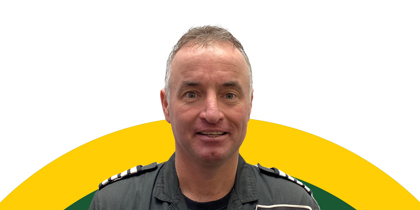
Meet the aircrew from this mission
Have you been treated by us?
If you or someone you know has been treated by our critical care team, it would be great to hear from you. We can arrange for a visit to the airbase for the chance to meet our pilots, paramedics and doctors.