How Do You Become a Critical Care Paramedic?
Tuesday, 11 August 2026

For many student paramedics, the idea of working in critical care is an exciting career ambition.
The opportunity to provide advanced care in challenging environments, work as part of a specialist team and make a difference when patients need it most is understandably appealing.
But how do you become a critical care paramedic?
This is one of our most-asked questions on social media.
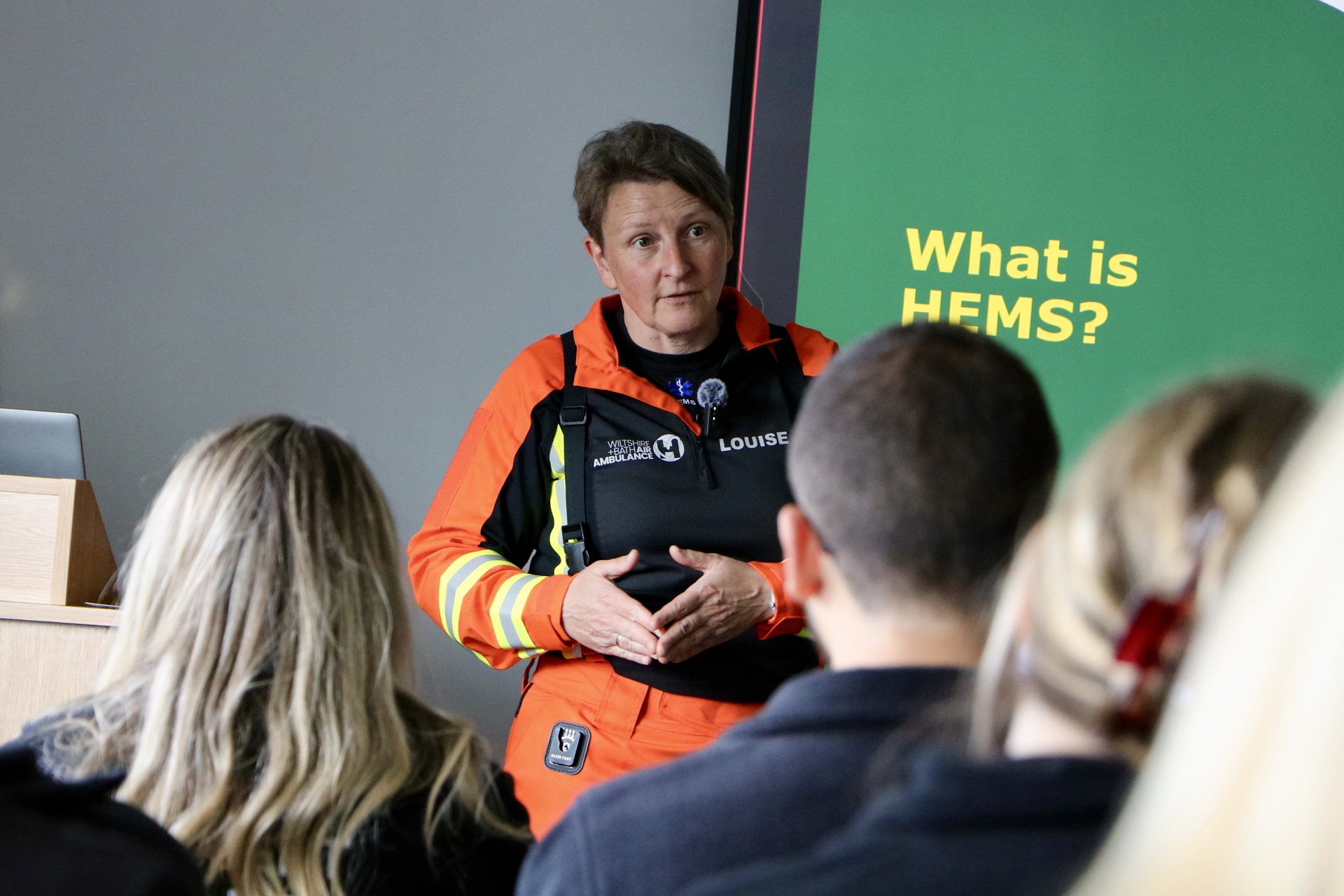
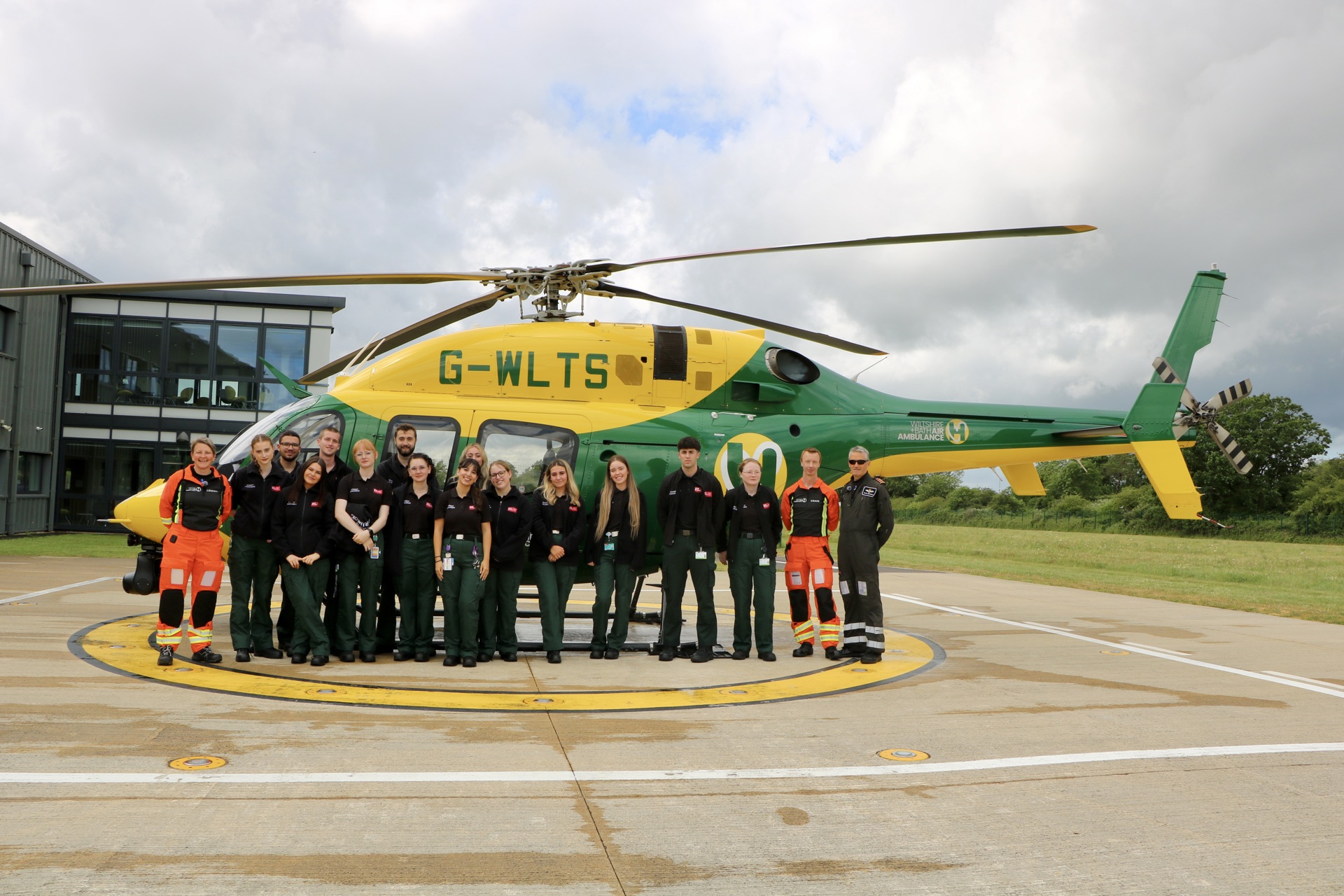
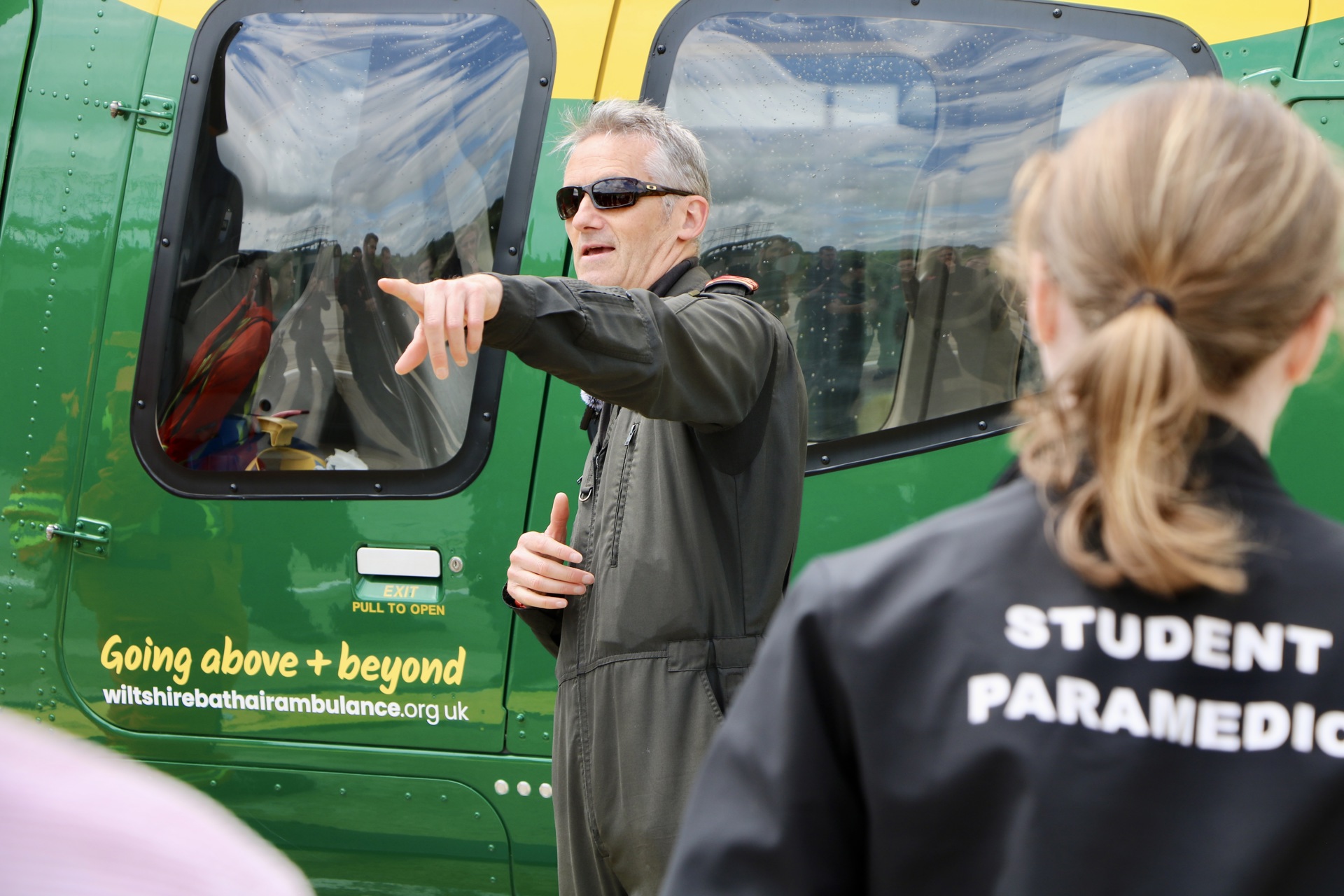
During a recent visit for University of West of England first year paramedic students, it was also a key theme that our specialist critical care paramedic, Louise Cox, covered.
The answer is not a single course or qualification. In fact – Louise’s first degree was in music!
Instead, it is a career built on experience, care and continuous learning.
Getting started - start with strong foundations
Every critical care paramedic begins their career by developing the core skills needed to become a safe, confident and effective clinician.
This means gaining experience, building clinical knowledge and learning how to make decisions under pressure.
Strong communication skills, teamwork and compassion are just as important as technical skills. A top tip from our crew here is to make sure you do the simple things very well.
Understanding the wider system
Pre-hospital emergency care is a complex system involving ambulance services, hospitals, emergency departments and specialist teams. A key part of professional development is understanding how different services and healthcare providers work together.
Understanding how these elements connect helps clinicians provide the best possible care for patients, which could be achieved through placements, experience and study. Our crews even continue to practice these skills beyond real incidents, through multi-agency simulation days.
Developing specialist knowledge
As careers progress, some paramedics choose to pursue additional training and education in areas such as critical care, advanced assessment and emergency medicine. Within air ambulance services, teams often include clinicians with different specialist expertise, all working together.
It’s also really important to understand that learning does not stop after qualification. To provide the highest level of critical care, our crew expand their skills every day through delivering enhanced treatment, briefings, research and simulation training.
Acknowledging the importance of real experience and demonstrating interest in the charity side of the operation by volunteering can be a fantastic way to get involved and stand out in applications. Louise Cox explained, “Volunteering can be anything from helping at an event or giving a talk, to helping with first aid training, or even being a mascot. If it aligns with your interests, what a great way to demonstrate your engagement in charity activity. It also helps to fund what we do, so we can carry on supporting the people who need us most.”
Our crew do more than critical care
One of the biggest misconceptions about specialist roles is that they are entirely focused on patient care.
Many of our crew contribute to training and education, research, service development, quality improvement and supporting future healthcare professionals, like welcoming in university groups.
These wider responsibilities play an important role in improving care across the whole system and within our local communities in Wiltshire and Bath.
A career built on lifelong learning
There is no shortcut to becoming a critical care paramedic – the role requires dedication, curiosity and a commitment to continuous learning.
For students considering a future in critical care, the best place to start is by focusing on becoming the best clinician you can be, for those who need you the most.
The rest will follow.